An AI generated photo documentary Part I
or “With Dall-E in Tuvalu”
Also in journalism AI has become a popular tool for research and writing. Even though the ethical implications are still up for debate, it’s clear that this technology is permeating the way we all work and has become indispensable.
The project
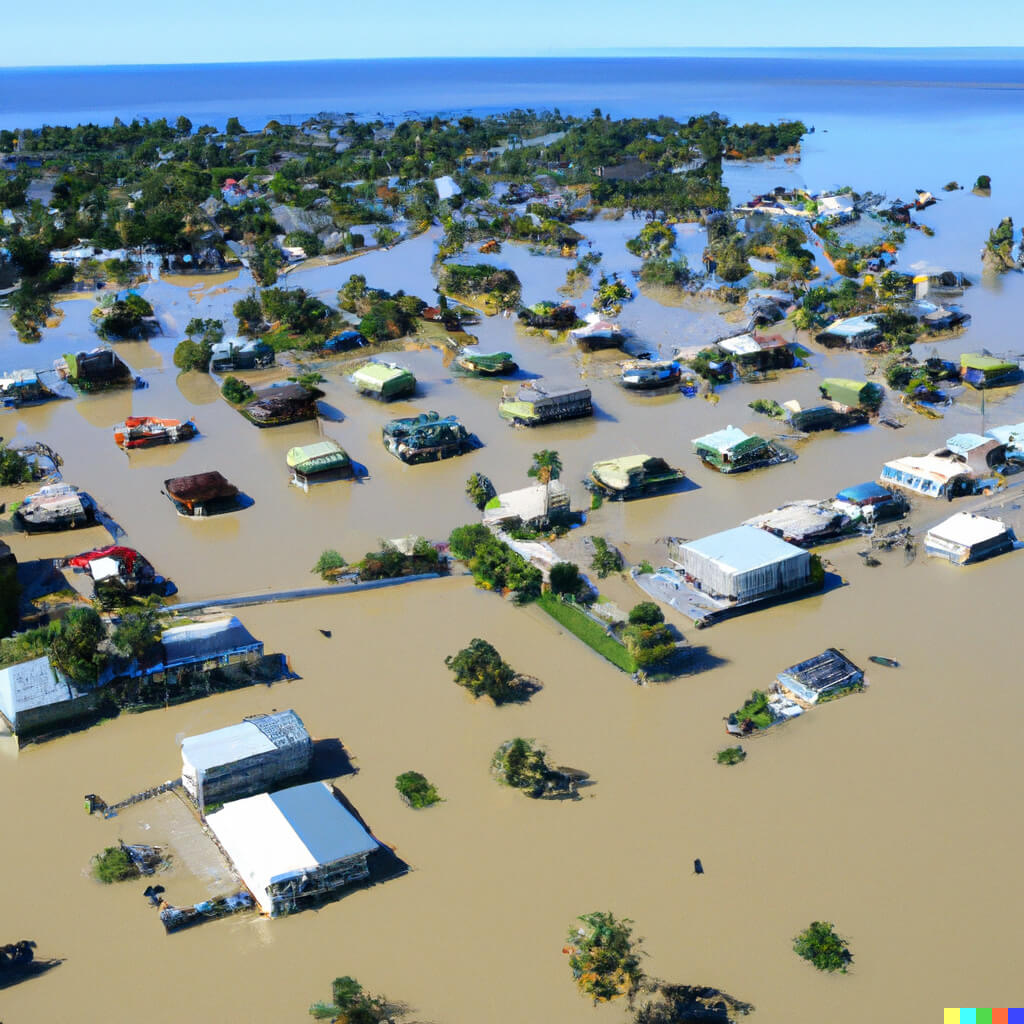
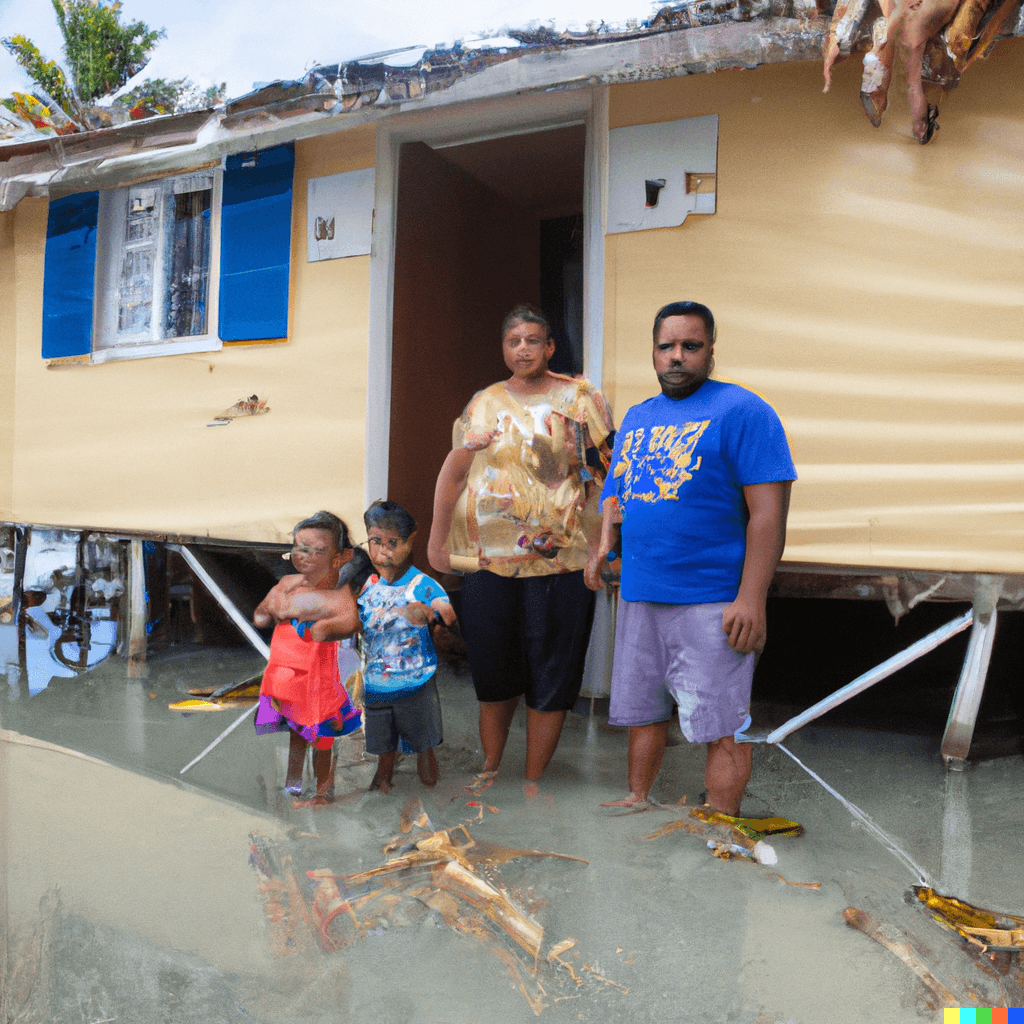
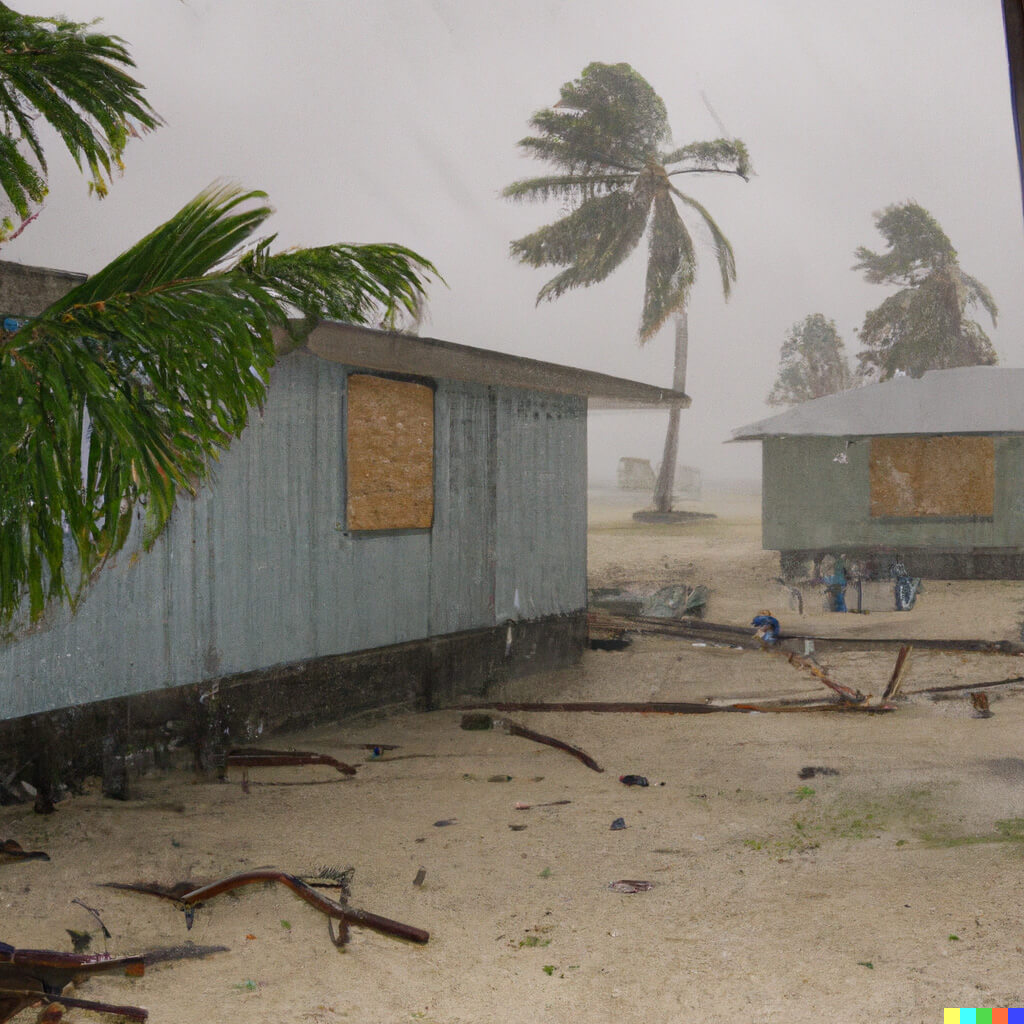
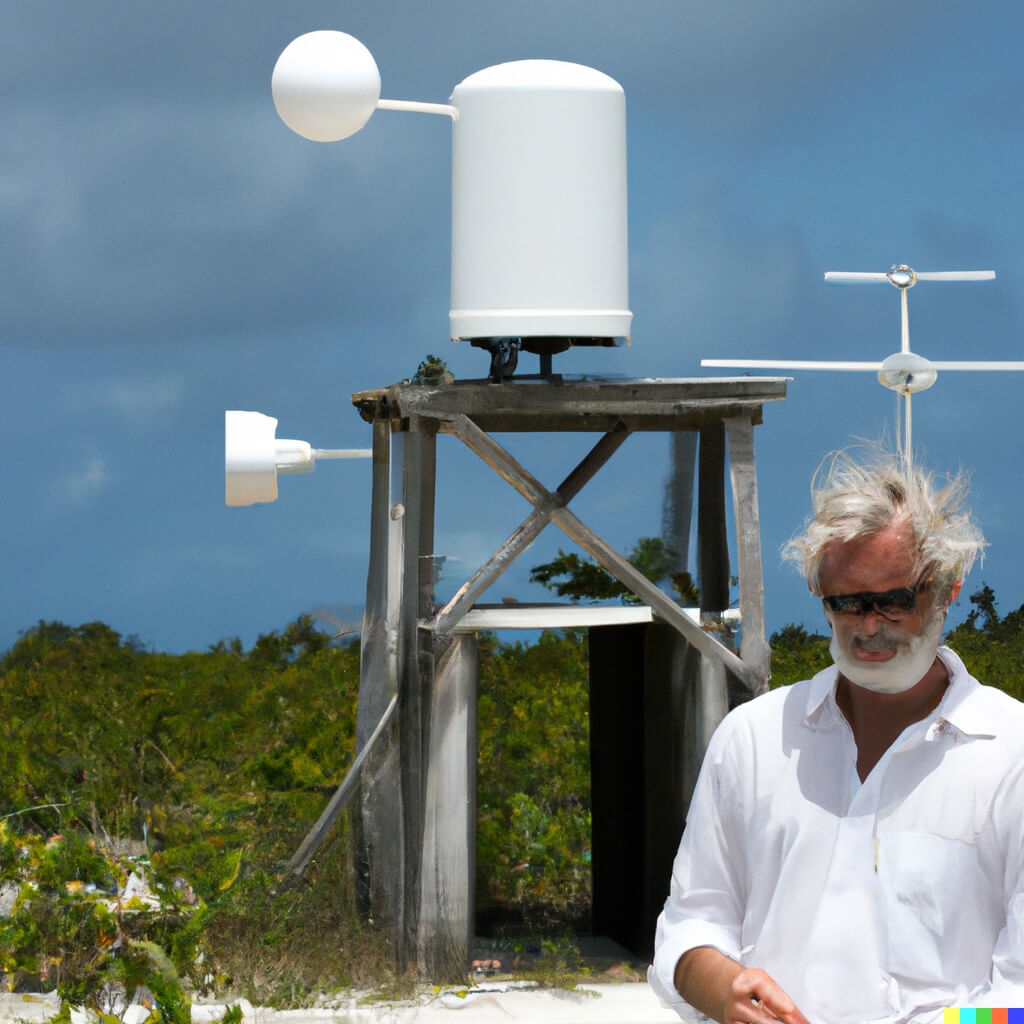
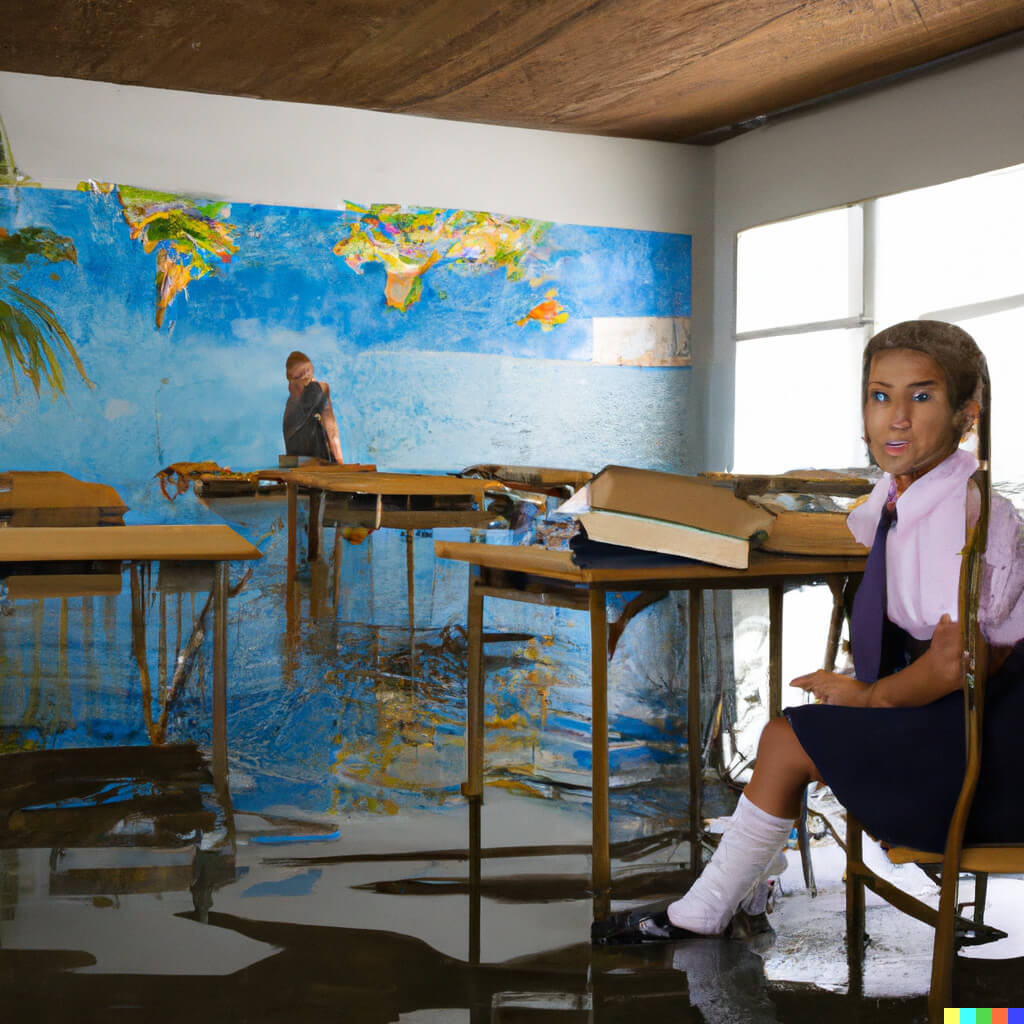
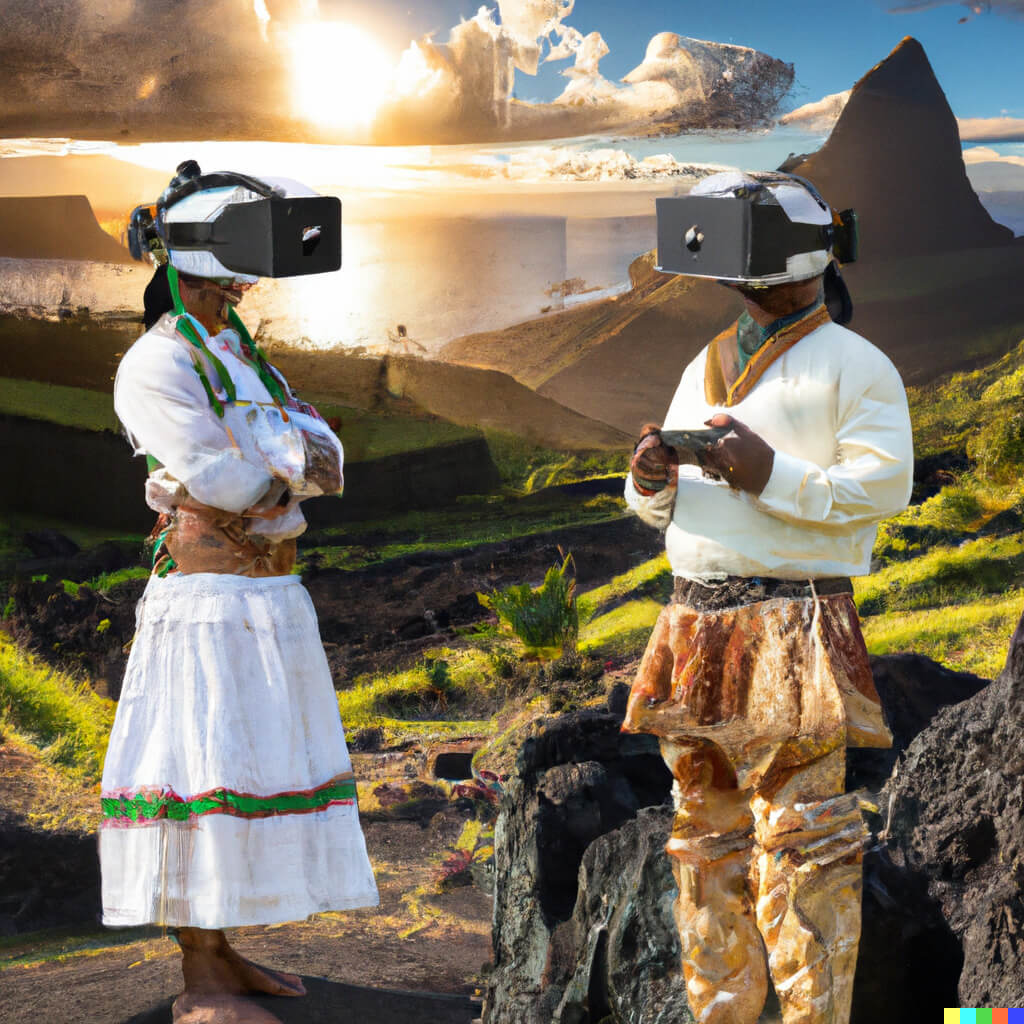
In my field—photojournalism—I carried out a provocative, experimental project in which I had AI generate journalistic photos. It was no coincidence that I chose a futuristic scenario: an island nation in Polynesia that will soon be submerged by rising sea levels and is saving its land in the metaverse.
Hardly any—if any—newsroom would fund such a report today. Nevertheless, it’s a conceivable scenario to finance the trip with grants or to fund it out of pocket for a representative portfolio or final project. But that’s just a side note.
The process
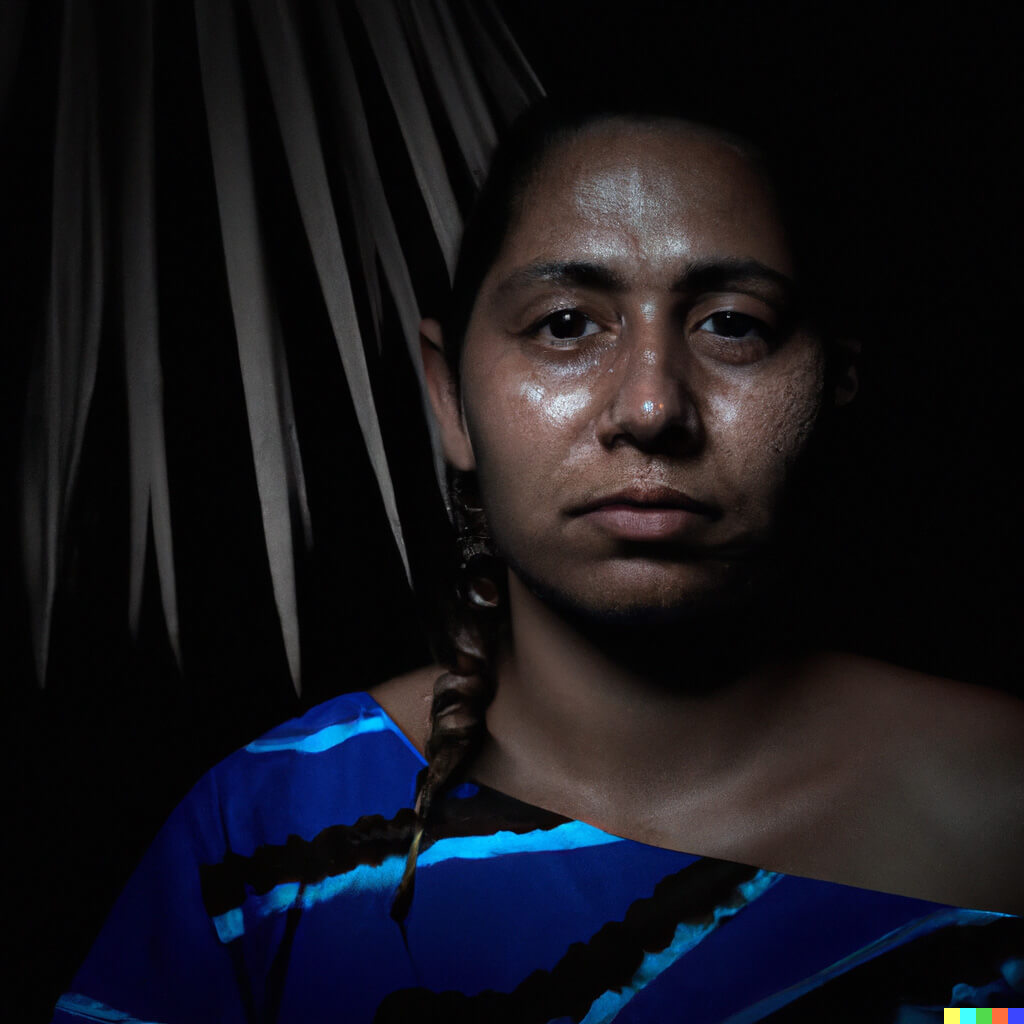
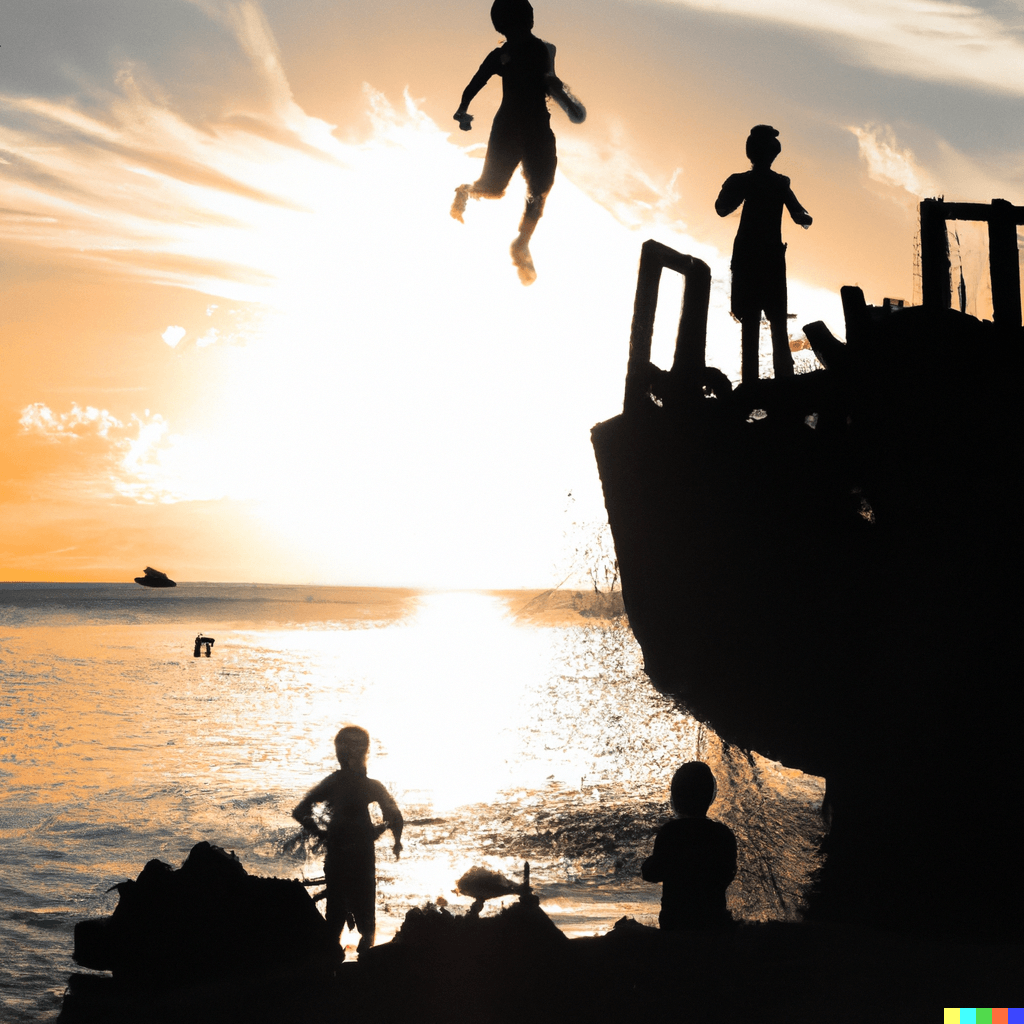
In my mind, I have a list of images I would look for on location: portraits, scenes of daily life, the visible effects of climate change… I enter these descriptions into Dall-E at the end of 2022 and beginning of 2023. Dall-E is one of the first freely accessible AI models for image generation.
Today, this probably no longer needs explaining: the images are generated based on my text descriptions—so-called “prompts.” It was trained using millions of existing images from the all kinds of sources.
Some Weaknesses
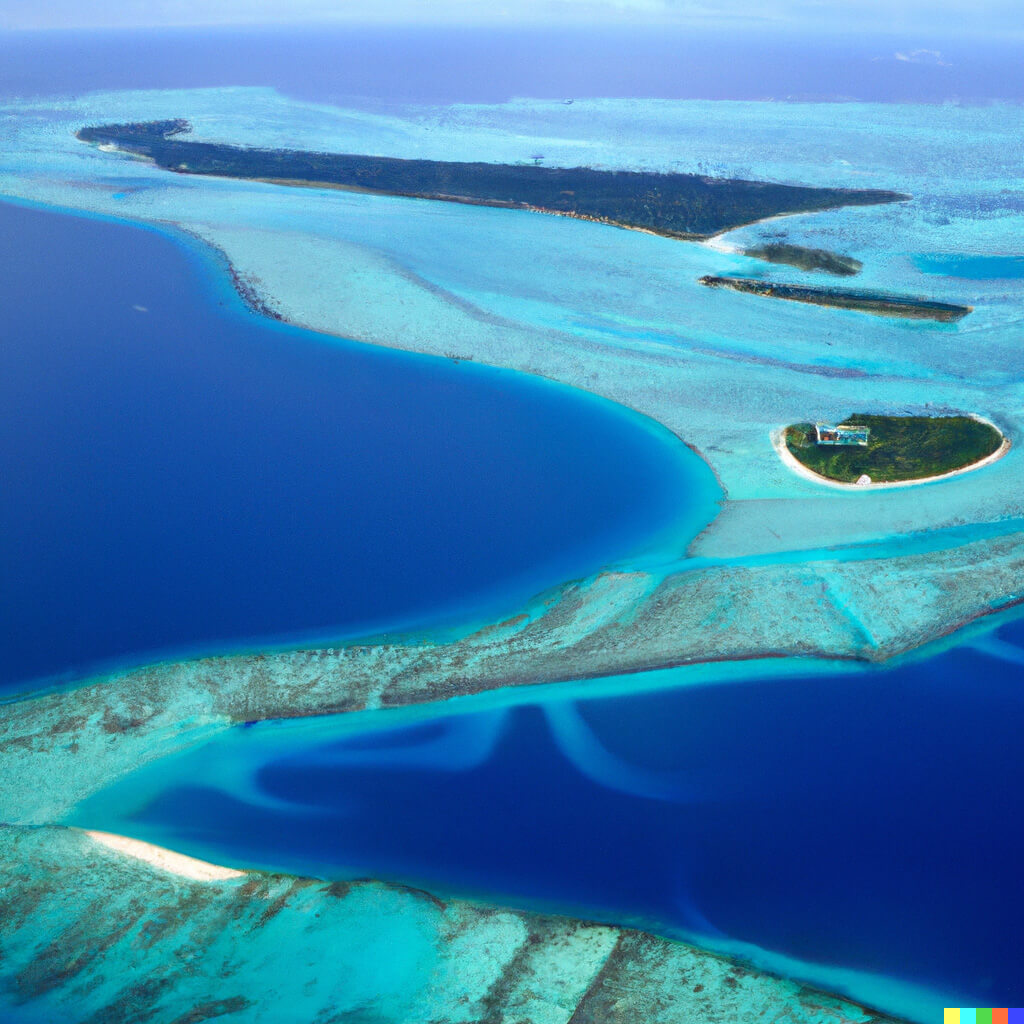
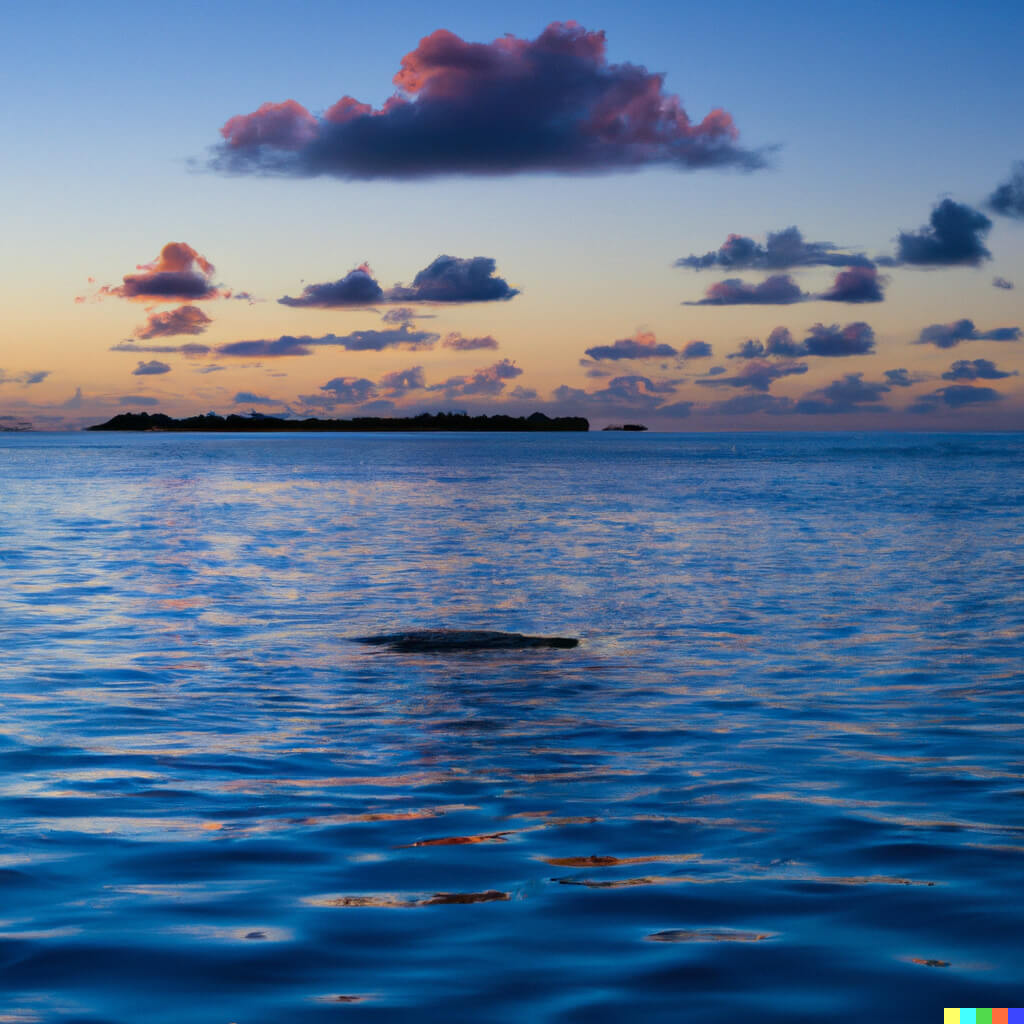
I’m amazed by some of the aesthetics and stereotypes that AI reproduces. The typical island in Polynesia seems to be very mountainous. By the way, the word “atoll” works better when it comes to landscape photos. I try out different variations and styles; I’m not always satisfied—but then again, I wouldn’t always be satisfied with my own photos either. But actually, it’s not a given either: Concepts and arrangements of top and bottom—such as “sky here, sea there”—work flawlessly.
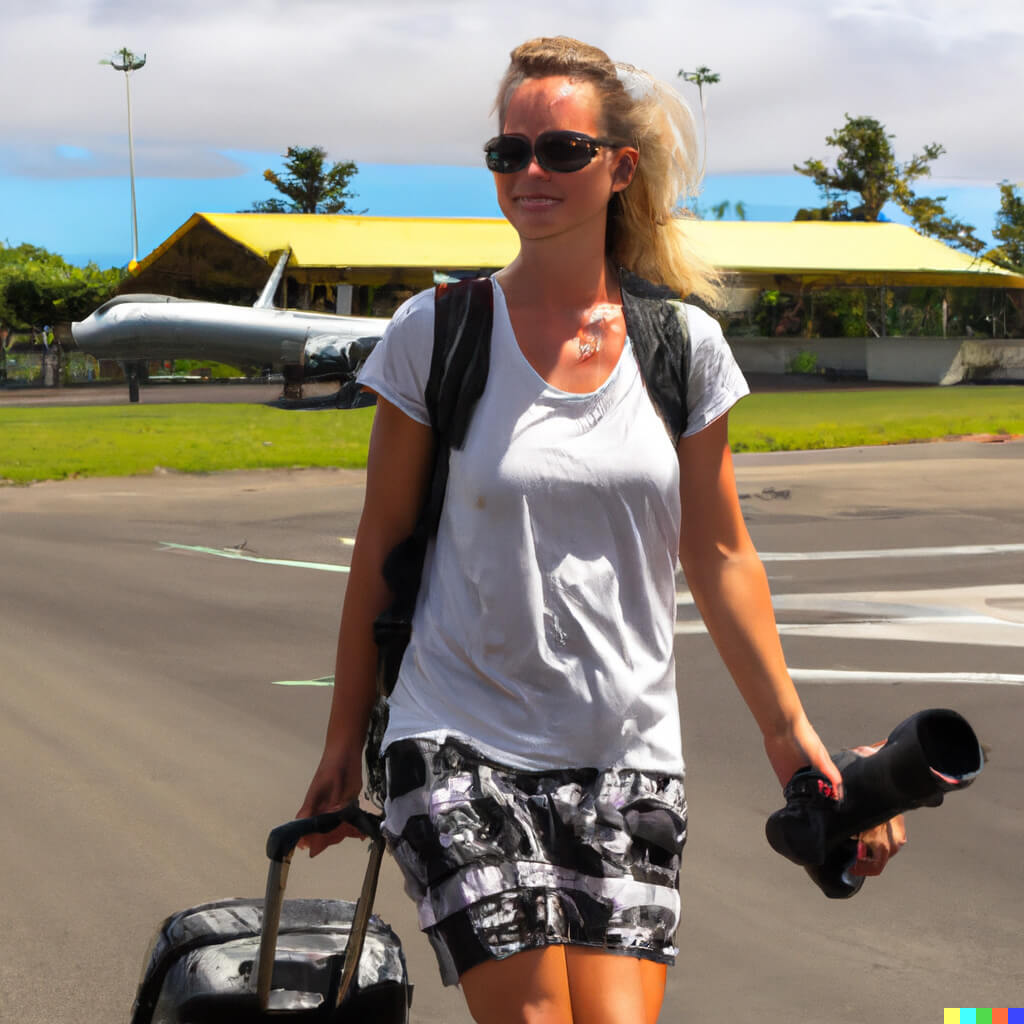
When it comes to human faces and bodies—at least in my initial tests at the end of 2022—creepy shapes and proportions often emerge. Sometimes there’s a giant shoe next to a thigh, or a face looks like a hollow mask made of melting wax.
Sidenote
Wondering what kind of data the KI uses, I generate one more image: “Nina Weymann with a camera bag at the airport of a Polynesian island”—essentially a digital self-portrait, the kind one would post on Instagram. It looks surprisingly similar to myself, even got the right style and haircolor.